

When hallway walls scuff within weeks or busy family room surfaces start to look worn far too early, the issue is rarely cleaning habits alone. In high-traffic areas, premature wear is often linked to paint finishes or products that are not designed to handle constant contact, repeated wiping and everyday impact. With guidance from Craig Taylor Painting Services, this article explains how choosing the right coatings can help walls in high-use areas stay cleaner, sharper and more durable for longer. For homeowners and businesses comparing painters in Port Macquarie, it also highlights why product knowledge matters just as much as careful application.
Different paint sheens, washable and scrubbable formulations, and room-specific product choices all affect how well a surface performs over time. Areas such as stairwells, corridors, kitchens, entryways and family rooms often need more considered selection than lower-use spaces. By understanding how each finish behaves under daily wear, it becomes easier to choose paint that supports better protection, lower maintenance and longer-lasting results.
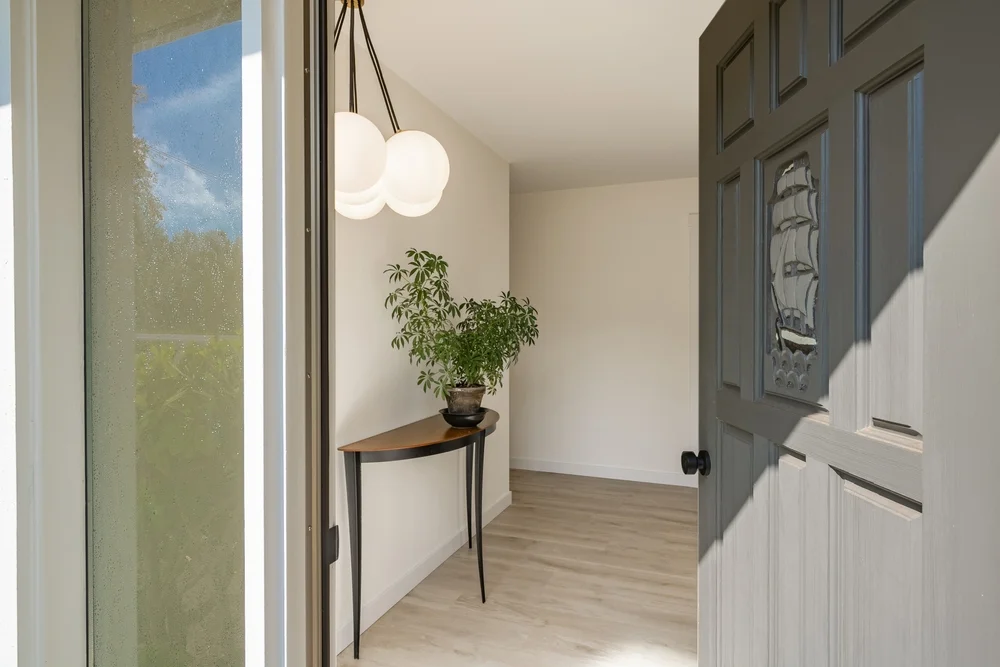
Paint for busy corridors, family rooms and entryways must do more than look good on day one. It needs to resist scuffs and stains, stand up to frequent cleaning and keep its finish intact under constant use. Choosing the right product and finish at the start prevents premature repainting and tired-looking walls.
Several key factors separate standard interior paint from finishes suited to high-traffic areas. Durability, washability, sheen level and drying time all affect how long a wall will stay fresh in real-life conditions.
High-traffic spaces demand paint that can handle knocks from bags, shoes and furniture without quickly wearing through. Look for products labelled as “high durability”, “scrubbable” or formulated for hallways and busy areas.
A higher quality acrylic or 100% acrylic resin generally outperforms basic vinyl acrylic in toughness. Scrub resistance ratings based on standards such as ASTM tests are a useful indicator. Premium paints usually specify that they tolerate repeated washing without visible burnishing or film breakdown. This matters in stairwells, kids’ rooms and commercial corridors where walls are touched constantly.
In busy spaces, cleaning is frequent, so the paint film must withstand regular wiping with mild detergents. Low-quality paints often absorb marks, which then smear or stain when cleaned. High-traffic formulas are engineered to repel common household stains and release dirt more easily from the surface.
Look for paints described as washable or stain-resistant rather than simply wipeable. In practical terms, this means greasy fingerprints near light switches, scuff marks behind chairs and splashes in mudrooms can usually be removed with a soft cloth and non-abrasive cleaner without dulling the finish. This characteristic is especially important in homes with children and pets or in commercial areas exposed to heavy use.
Sheen has a direct impact on performance in busy areas. Flatter paints hide surface imperfections well but mark easily and do not always tolerate scrubbing. Very glossy paints clean beautifully but highlight every plaster defect and patch.
For most high-traffic interiors, the most practical choices are:
These sheens offer a balance of good cleanability with enough forgiveness to disguise minor wall defects. Consistency of gloss also matters. A quality product will maintain an even sheen after cleaning, so spot-washed areas do not flash differently in certain lights.
Busy households and commercial settings often require quick turnaround. Paint with a reasonable recoat time allows additional coats the same day, so spaces return to use faster. Once cured, the coating should form a hard film that resists sticking where doors meet frames and that does not peel under tape removal.
Checking the manufacturer’s cure time is important. Walls can feel dry to the touch yet still need several days before standing up to intensive cleaning or contact. For true high-traffic performance, durability after full cure is more important than speed of initial drying.
High-traffic areas need finishes that resist scuffs, stains and frequent cleaning without looking patchy or worn. The right sheen level also hides or highlights surface imperfections, which matters in busy hallways, entryways and family spaces that see constant use.
This means choosing finishes that combine durability with cleanability. The most reliable choices for walls in high-traffic zones are typically satin, eggshell and semi-gloss with specific roles for each depending on how hard the surface is used and how smooth it needs to appear.
Satin is usually the top recommendation for high-traffic interior walls. It has a soft sheen that reflects just enough light to be easy to clean yet not so glossy that every patch and roller mark shows.
Satin finishes are ideal for hallways, stairwells, children’s rooms, living rooms and busy kitchens. The surface is tighter and more washable than flat or matte, so marks from hands, bags and everyday contact can usually be wiped away with a damp cloth and mild cleaner. At the same time, satin still does a reasonable job of hiding minor imperfections in older plaster or drywall compared to semi-gloss.
In rental properties, satin offers a good balance between a smart appearance and tough performance. It also tends to touch up more successfully than higher gloss levels, helping when isolated scuffs or repairs appear.
Eggshell has a lower sheen than satin and a more velvety look. It is slightly less durable and less scrubbable than satin but still more hard-wearing than flat or matte.
Eggshell suits moderately busy spaces where a softer, elegant finish is desired but the walls still need to handle some contact. Typical examples include dining rooms, adult bedrooms and secondary sitting rooms that connect to busier corridors. It hides surface flaws better than satin or semi-gloss, which is useful in older properties with uneven walls.
In very high-traffic zones, such as narrow hallways or near entrances, where bags and shoes regularly brush the wall, eggshell can show burnishing if scrubbed too aggressively. In those locations, satin is usually the safer choice.
Semi-gloss is highly durable and very moisture-resistant, which makes it the go-to option for areas that are cleaned often or exposed to splashes. It has a noticeable shine that highlights surface defects, so it is generally used selectively.
Semi-gloss is recommended for:
On walls that take constant contact, such as behind bins in busy corridors or in commercial spaces, semi-gloss stands up to repeated scrubbing better than lower sheen finishes. However, because it reflects more light, any dents or patches will be more visible, so surface preparation needs to be thorough before application.
Different rooms experience different levels and types of wear, so the best paint for a hallway is rarely the best choice for a bathroom or a child’s bedroom. Choosing the right finish and formulation for each space protects the surface, reduces visible marks and keeps walls looking clean for longer.
High‑traffic areas benefit from hard‑wearing, washable finishes, while moisture‑prone spaces need paints that resist steam and mould. Considering how each room is used makes it easier to select products that balance durability, appearance and maintenance.
A high‑quality washable matt or low‑sheen acrylic is usually the best option here. Modern washable mats offer a flat, elegant look but include added binders that improve stain and scrub resistance so marks can be wiped away without leaving shiny patches. In narrow stairways and corridors, a washable matt helps disguise dents and uneven plaster better than a higher sheen.
For homes with children or pets, a satin or soft sheen acrylic can be considered on particularly vulnerable walls and skirting. The slight sheen improves cleanability and toughness, although it will highlight surface defects more than mat. Light- to mid-neutral colours are practical, as they show fewer scuffs than very dark colours, which tend to reveal every rub and scratch.
Kitchens and bathrooms combine high traffic with high humidity, so the paint must cope with grease, steam and frequent cleaning. Standard interior wall paint is likely to stain, peel or encourage mould growth in these conditions.
Specialist kitchen or bathroom paints formulated with moisture resistance and anti‑mould additives are strongly recommended. These are usually acrylic in an eggshell or soft sheen finish, preventing water absorption and allowing condensation to be wiped away without damage. In cooking zones behind hobs and sinks, scrubbable kitchen paint is important, as it tolerates degreasers and repeated washing.
Busy family spaces experience frequent use, food spills and occasional knocks from toys or furniture. Paint here needs to be both attractive and easy to live with.
A premium washable matt acrylic usually offers the best balance. It provides a sophisticated, non‑shiny appearance suited to living rooms while still resisting stains and allowing regular cleaning. For feature walls, a standard matt can be used, but high contact areas such as around light switches, door frames and play zones benefit from the washable version.
In children’s bedrooms and playrooms, stain‑resistant or “scrubbable” paints are worth the investment. These products are designed to handle crayon marks, fingerprints and accidental spills more effectively than standard interior paint, extending the time between repaints and keeping colours fresher.
In high-traffic areas, even the best paint will fail quickly if the surface is not prepared correctly or if it is applied the wrong way. Scrapes, scuffs and peeling usually come from what is under the paint or how it was put on, not from the product label alone. Proper prep and application create a hard-wearing finish that can actually deliver the durability and washability promised on the tin.
For busy hallways, stairwells, kitchens and commercial spaces, the goal is a smooth, well-bonded paint film that resists impact and frequent cleaning. That depends on how clean, dry and sound the surface is before painting and on using the right tools, techniques and number of coats.
High-traffic walls collect hand oils, shoe marks, grease and cleaning product residue. Paint applied over this grime often peels or flakes as soon as it is knocked or washed. Thorough preparation is essential so the new coating can grip the surface.
Preparation normally includes cleaning with a degreasing cleaner, rinsing and then allowing full drying. Glossy or previously over-polished surfaces need de-glossing with light sanding or a liquid de-glosser so the new paint has something to key into. Any loose or flaking paint must be scraped away and the edges feather-sanded so they do not telegraph through the finish.
Dents, cracks and nail pops are more visible where walls are constantly viewed and touched. These should be filled with a suitable filler, sanded smooth and spot primed. In areas like entryways and staircases, where knocks are common, a little extra time spent on filling and sanding creates a harder, more impact-resistant plane for the paint film.
Primer is critical whenever there are patched areas, stains or changes from dark to light colours. A quality primer locks in stains, evens out porosity and helps the topcoat grip uniformly so the finish wears evenly instead of looking patchy weeks later.
How paint is applied directly affects how it stands up to abuse. High-traffic areas benefit from a slightly thicker, even film created by the correct roller nap and number of coats.
For most interior busy walls, a 10 to 12 mm roller sleeve gives good coverage without excessive texture. Using a cheap or worn roller can leave thin spots that burnish or wear through quickly when cleaned. Cutting in edges first, then rolling into the wet edge, reduces lap marks that become more obvious as areas get scuffed.
Two full coats are usually the minimum in busy spaces. The first coat seals and levels the surface. The second builds film thickness and colour depth, improving scrub resistance. Rushing recoat times or applying paint too thickly can trap moisture and lead to premature peeling, especially in kitchens and bathrooms.
Consistent technique matters. Keeping a wet edge, avoiding overworking partially dry paint and maintaining steady pressure on the roller all help produce a uniform, durable finish that resists polishing and patchiness where people brush against the wall repeatedly.
Edges and transition points are often the first areas to show wear. Door frames, corners, stair stringers and skirting benefit from careful cutting in and sometimes an additional pass of paint to bolster protection where impact is highest.
Masking and clean lines are not only cosmetic. Neat junctions between wall and trim make future touch-ups easier, which is important where repainting only high-wear zones keeps the whole space looking fresh. Allowing proper curing time before heavy use or washing is another often ignored detail. Even scrubbable paints need several days to harden to full strength, so early cleaning can weaken the surface and shorten the repaint cycle.
High-traffic areas are unforgiving. Poor product choices or rushed preparation show up quickly as scuffs, peeling or a dull, patchy finish. Avoiding a few common mistakes extends the life of the paint and keeps busy walls looking fresher for longer.
Understanding what not to do is just as important as choosing the right paint. The following pitfalls frequently undermine otherwise good projects and lead to premature repainting.
One of the biggest mistakes is selecting a finish that cannot cope with constant contact.
Flat and matte paints hide surface imperfections but are usually a poor choice for corridors, stairwells and entryways because they hold onto dirt and are harder to clean. In high-traffic zones, a low-sheen washable matte, eggshell or low-sheen satin is typically more suitable. These finishes still soften imperfections yet allow regular wiping without burnishing or shiny patches.
Ignoring manufacturer guidance on recommended areas of use often results in finishes that mark, stain or polish up after only a short period.
Rushing prep work is one of the fastest ways to ruin performance in busy spaces. High-traffic walls usually carry existing grime, body oils, shoe marks and cleaning residue that can interfere with adhesion.
Common errors include painting over:
All high-touch areas should be washed with a suitable cleaner and allowed to dry completely. Glossy surfaces need scuff sanding or a bonding primer so the new coat locks on properly. Any cracks, dents or nail holes must be filled, sanded smooth and spot-primed. Skipping these steps often leads to chipping around corners and edges exactly where traffic is highest.
Choosing the best paint for high-traffic areas comes down to balancing durability, cleanability and appearance in a way that aligns with how a space is used day to day. Understanding the differences between acrylic and alkyd technologies, the performance of scrubbable formulations and the practical advantages of mid-sheen finishes such as satin or eggshell allows busy walls to better withstand constant wear while maintaining a refined finish. In high-use environments, selecting the right paint system is not simply a design decision but a practical step towards achieving surfaces that continue to perform well.
