

Textured wall finishes are increasingly becoming the feature that separates ordinary interiors from truly memorable spaces. Painters in Port Macquarie are seeing more homeowners move away from flat feature walls and towards finishes that add depth, character and a more refined feel. From softly layered plasters that catch the light to subtly tactile paints that add movement without overwhelming a room, texture can completely change the atmosphere of an interior. This article explores how different textured finishes influence mood, style and practicality so readers can better understand what may work in their own homes or commercial spaces.
Readers will learn how different materials and techniques create distinct visual effects, how texture responds to both natural and artificial light and how it can work with existing furnishings and architectural features. The article also covers practical considerations such as durability, maintenance and suitability for different rooms, helping property owners make choices that are both visually effective and long-lasting. By the end, readers will be better equipped to discuss options with professional painters, compare different finishes and choose textured wall treatments with more confidence.
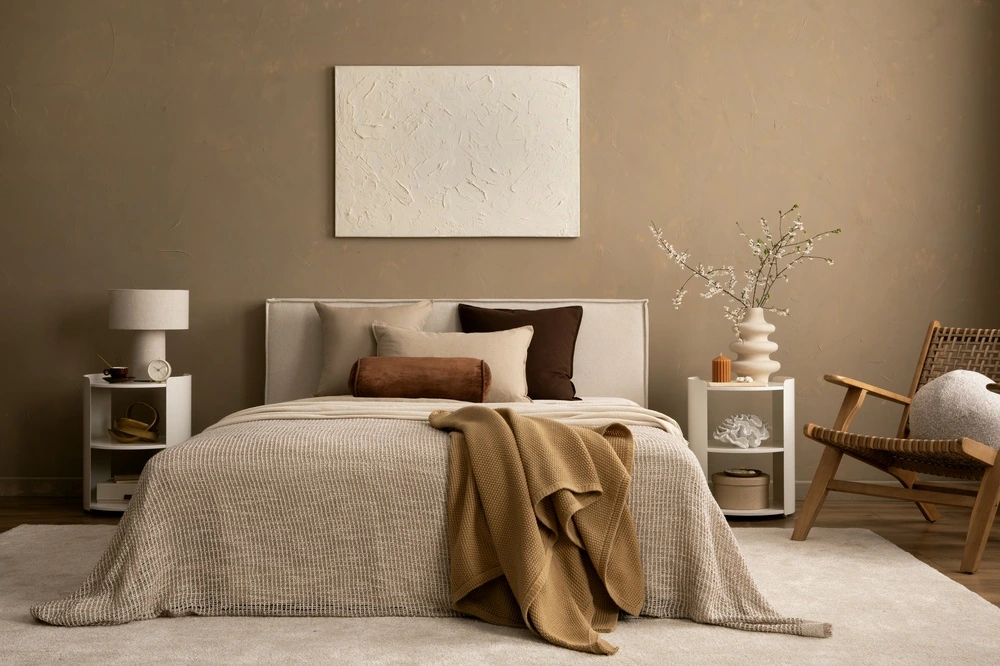
Textured wall finishes are returning to Australian interiors as homeowners look for ways to add character without committing to a full renovation. Instead of relying on plain flat paint, texture introduces variation, softens harsh light and can help disguise minor surface flaws. That makes it especially appealing in busy family homes and updated older properties.
Painters are seeing more clients choose textured finishes because they offer a more custom look at a relatively modest cost. With the right product and application method, texture can be subtle or dramatic and can suit everything from coastal to contemporary interiors.
For years, interiors leaned heavily on smooth white walls and minimal detail. Many homeowners now feel these spaces can look flat or cold. Textured finishes introduce depth and shadow, helping walls feel more layered and inviting.
Finishes such as limewash, stone-look paints and fine trowelled plasters create a soft, slightly varied surface that works well with timber, natural fabrics and modern furniture. They help a room feel finished without adding clutter, allowing a space to retain clean lines while still feeling warm and lived in.
Texture is not only about appearance. It also offers practical advantages that suit everyday Australian living. Slightly textured finishes can help disguise hairline cracks in plasterboard, small dents and uneven patches that would otherwise stand out on a flat painted wall. This can be particularly useful in hallways, stairwells and older homes where surfaces are rarely perfect.
In living areas, bedrooms and media rooms, some textured products can also help diffuse light and reduce glare, creating a softer atmosphere. Certain durable textured coatings are also more forgiving in high-traffic areas, as they do not show every mark or scuff as clearly as a perfectly smooth wall.
Modern decorative paints and plasters are generally easier to maintain than many older textured finishes. Newer products are often designed to be more stain resistant and can usually be wiped gently, which was not always possible with heavier traditional textures.
There is also a much wider range of looks available. Homeowners can choose from fine brushed or rolled textures that create soft movement, natural limewash finishes with cloudy colour variation and subtle concrete or stone effects that suit modern interiors.
Painters can also adjust the level of texture through their choice of tools and application methods, which means the result can be tailored to the room rather than forced into a single standard finish. That flexibility, combined with improved durability, is a major reason textured wall finishes are becoming popular again.
Homeowners exploring textured finishes usually want to know how each option will look, feel and perform in everyday spaces. Painters often help clients choose textures that suit their style, budget and the condition of the existing walls, so understanding the most common types is a useful starting point.
Different textures can conceal minor surface flaws, soften the look of large flat walls and add visual depth to otherwise simple spaces. From subtle plaster effects to more noticeable patterns, each finish has its own application method and its own strengths depending on where it is used.
Knockdown is a popular choice for living rooms, hallways and open-plan areas because it adds interest without dominating the space. The finish begins with a thinned joint compound sprayed or trowelled onto the wall in a reasonably even coat. After a short drying time, the raised peaks are lightly flattened with a wide drywall knife, creating a mottled, slightly rustic pattern.
This finish is effective at disguising minor surface flaws and old patch repairs. It works well under most paints, including low-sheen and matt finishes. Homeowners wanting a more contemporary look often choose a finer knockdown, while a more pronounced pattern can suit relaxed or coastal interiors.
Orange peel texture resembles the subtle dimples of citrus skin and is often used in bedrooms and family rooms where a smooth but forgiving surface is preferred. It is typically applied with a spray gun using a thinned compound or texture product. As the material lands, it forms small raised bumps that settle slightly as they dry.
This texture is easier to clean than heavier finishes and provides a good middle ground between a completely smooth wall and a more obvious texture. It helps mask light roller marks and patching work, which makes it practical for busy households. Orange peel usually works best with low-sheen or eggshell paint, as these finishes help keep the texture looking subtle rather than overly contrasty.
Venetian plaster and similar trowelled finishes create a high-end, handcrafted appearance that suits feature walls, entry spaces and more formal rooms. Applied using a steel trowel in multiple thin layers, these products are then burnished to produce movement and depth in the surface. Depending on the material and technique, the result can range from soft and chalky to smooth with a gentle sheen.
This type of finish requires more preparation, as irregularities in the wall beneath can show through the plaster. It is best handled by experienced applicators and generally costs more than spray-applied textures. The benefit is a durable, refined surface that can be left in a natural plaster tone or tinted to complement the rest of the interior.
Sand textures and skip trowel finishes bring a more organic character that suits traditional or rustic interiors. A sand compound uses fine aggregate mixed into the texture, which is then rolled or sprayed on and lightly smoothed. Skip trowel involves applying joint compound with a curved knife in sweeping motions that skip across the surface, leaving random raised areas behind.
Both options are effective at disguising patched areas and unevenness in older walls. They tend to cast stronger shadows, so they pair best with softer lighting and more muted paint colours. When used selectively on feature walls, painters will often balance these textures with smoother adjoining surfaces so the room still feels open and current.
Choosing the right wall texture is about more than appearance. It affects how light behaves in a room, how durable the surface is and how easy it is to keep the walls looking fresh over time. Matching the texture to the way a room is used helps ensure the finish is both attractive and practical.
Room size, natural light and traffic levels should all guide the choice. Softer textures usually suit calm, private spaces, while more defined finishes can work well in busy family areas or as feature elements. Moisture levels and cleaning needs are also important, particularly in kitchens, bathrooms and laundries.
Living rooms benefit from textures that add interest without overpowering furniture and décor. Subtle knockdown textures or a fine orange peel finish can soften light and hide minor imperfections while still allowing artwork and furnishings to stand out. On a feature wall, a slightly more pronounced texture such as a light skip trowel can create a focal point behind a sofa or fireplace.
Hallways and other high-traffic areas need finishes that can better disguise scuffs and minor damage. Medium orange peel or knockdown textures are often a practical choice because they are forgiving and visually consistent. On long corridors, even a gentle texture can help break up broad wall expanses so the space feels less flat.
Bedrooms and home offices are usually better suited to smoother, calmer finishes. A light skim coat with very fine texture or an ultra-fine orange peel creates a soft backdrop that feels restful and refined. This works especially well with muted colour palettes and layered fabrics because the walls do not compete with the rest of the room.
For children’s rooms or guest rooms where walls may see a little more wear, a slightly more noticeable texture such as a soft knockdown can be a sensible compromise. It still feels gentle visually but hides finger marks and small dents more effectively than a completely smooth finish.
Kitchens, bathrooms and laundries need textures that can cope with moisture and more regular cleaning. In most cases, a smoother texture paired with a durable paint system is the better choice. Fine orange peel or a tight knockdown adds enough variation to disguise minor splash marks while still being easy to wipe down with suitable cleaning products.
In these rooms, it is important that texture does not trap steam or make surfaces harder to maintain. Deep or heavily ridged finishes are usually best avoided near cooktops, showers and sinks. On ceilings in wet areas, a subtle texture can help disguise joints and minor repairs, while a high-quality moisture-resistant paint offers added protection against mould and staining.
Lighting and colour can either enhance the character of a textured wall or make it feel flat and heavy. Anyone planning a feature wall or full-room finish needs to think about how the surface will look in daylight, at night and across different seasons. Light direction, intensity and colour choice all have a strong influence on the final result.
Texture creates shadows and highlights. The right combination of paint colour and lighting can bring out that depth so the wall feels dynamic yet cohesive with the rest of the room. The wrong combination can exaggerate imperfections or make a space feel smaller and darker than it really is.
Natural light changes throughout the day, which means texture can appear quite different from morning to afternoon. Morning light is often cooler and softer, so rougher finishes can look gentler and more subdued. Afternoon light tends to be warmer and stronger, which creates sharper shadows and can make more pronounced textures appear bolder.
Artificial lighting is easier to control but still needs careful planning. Downlights placed close to the wall can flatten texture, while wall washers and track lights aimed across the surface tend to highlight movement. Wall sconces positioned to the side can also create interesting shadow patterns as light catches raised areas.
In living rooms and bedrooms, a combination of general lighting and a few directional fittings aimed across a feature wall often produces the most flattering result. In halls and stairwells where space is tighter, softer indirect light can help textured walls feel more balanced and less harsh.
Colour depth strongly affects how a textured finish is perceived. Light neutrals reflect more light and keep the overall effect airy, which means they can suit coarser textures without overwhelming the room. Warm whites and soft greys are especially forgiving on uneven surfaces and work well in smaller interiors.
Darker colours absorb more light, which intensifies the shadows within the texture. This can look sophisticated on a subtle finish such as fine plaster or brushed effects, but on very rough surfaces it can appear patchy or visually heavy. For that reason, deeper colours are often better suited to a single feature wall rather than an entire room.
Undertone also matters. Warm colours such as beige, taupe, terracotta and olive tend to make textured walls feel inviting. Cooler tones like blue-greys and charcoals can feel sleek and architectural, though in low light they may come across as colder if the texture itself is quite pronounced.
Bulb colour temperature can either support or work against the paint colour on a textured wall. Warm white lamps in the 2700K to 3000K range tend to enrich creams, taupes and other warm neutrals, creating a soft glow that smooths out minor imperfections. Cool white lamps around 4000K can suit fresher schemes with blue or green undertones and can make fine textures appear crisp.
In multi-use spaces such as open-plan living areas, dimmable warm white lighting can be a practical choice. It allows the atmosphere to shift through the day, making a textured feature wall feel more dramatic at night or softer and lighter during the day.
Before committing to a textured wall finish, it is worth thinking carefully about how it will look, feel and perform in day-to-day use. The right choice can lift a space significantly, while the wrong texture or product can be expensive and frustrating to correct later.
Appearance, maintenance, practicality and budget should all be considered before any texture work begins. Thinking these factors through early makes it easier to choose a finish that suits both the room and the people using it.
The way a room is used should help determine the level and type of texture applied. High-traffic areas such as hallways, living rooms and children’s bedrooms are more likely to experience knocks and scuffs, so very sharp or heavily raised textures may chip or collect dust more easily. Softer, more restrained finishes such as light knockdown or fine sand textures are often easier to live with and easier to touch up.
In wet areas such as bathrooms, laundries and kitchens, moisture also needs to be taken into account. Many textured finishes are more porous than flat paint and can hold steam or cooking residue if they are not properly sealed. In these spaces, a sealed texture or a product rated for wet areas is essential to reduce the risk of mould, staining and peeling.
Lighting has a major influence on how texture appears once installed. Strong natural light or directional downlights will exaggerate shadows and can make even light textures appear more pronounced. In rooms with large windows, a heavy texture may become visually dominant or draw attention to any imperfections in the substrate.
Room size matters as well. Heavier textures can make a small room feel more enclosed, while subtle finishes add interest without making the space feel crowded. For feature walls, it is often wise to test a sample board in the room itself so the texture can be viewed at different times of day under both natural and artificial light.
Textured finishes will not conceal serious issues in the underlying surface. Cracks, water damage and uneven plaster usually become more noticeable once texture is applied. Before any finish goes on, the wall or ceiling should be checked and repaired so it is clean, dry and structurally sound.
Preparation may involve patching dents, sanding high spots, priming and, in some cases, applying a base coat suited to the chosen product. Poor preparation can lead to peeling, flaking or an inconsistent appearance that is difficult to fix without removing the finish altogether.
Textures vary significantly in how easy they are to clean and repair. Smooth or lightly textured finishes can usually be wiped down carefully and touched up with matching paint. Deep or sculpted textures tend to trap more dust and are much harder to clean in detail. They also require more care when repainting so the texture itself is not filled in or lost.
Budget is another important factor. Textured finishes generally involve more labour than standard painting and can also cost more to remove or flatten later. It is worth considering whether a particular finish will still suit the space as styles, furnishings and preferences change over time. In many cases, more timeless textures work well in main living spaces, while bolder finishes are better reserved for feature areas that are easier to update.
Textured wall finishes can do far more than decorate a room. They add depth, soften light, create focal points and help interiors feel more layered and considered. Whether the finish is subtle or more expressive, the best results come from choosing a texture that suits the room, the lighting and the way the space is used. With proper preparation and careful application, texture can become a lasting design feature rather than a passing trend.
