

Choosing paint isn’t just about picking a colour you like on a sample card. In Port Macquarie’s humid, salty coastal climate, the wrong choice can fade, peel or grow mould much sooner than you’d expect. Craig Taylor Painting Services understands how strong sun, sea air and moisture affect different paint types and colours, and how what works inland doesn’t always last near the coast.
As experienced painters in Port Macquarie, we’ve seen how certain colours and finishes perform better than others in local conditions. In this article, we explain which paint colours hold up best, how different finishes affect durability and what modern paint products can do to resist UV and moisture damage. You’ll learn which shades are more likely to stay looking fresh, which ones show staining and mildew sooner, and how choosing the right paint system from the start can help protect both the look and value of your home for years to come.
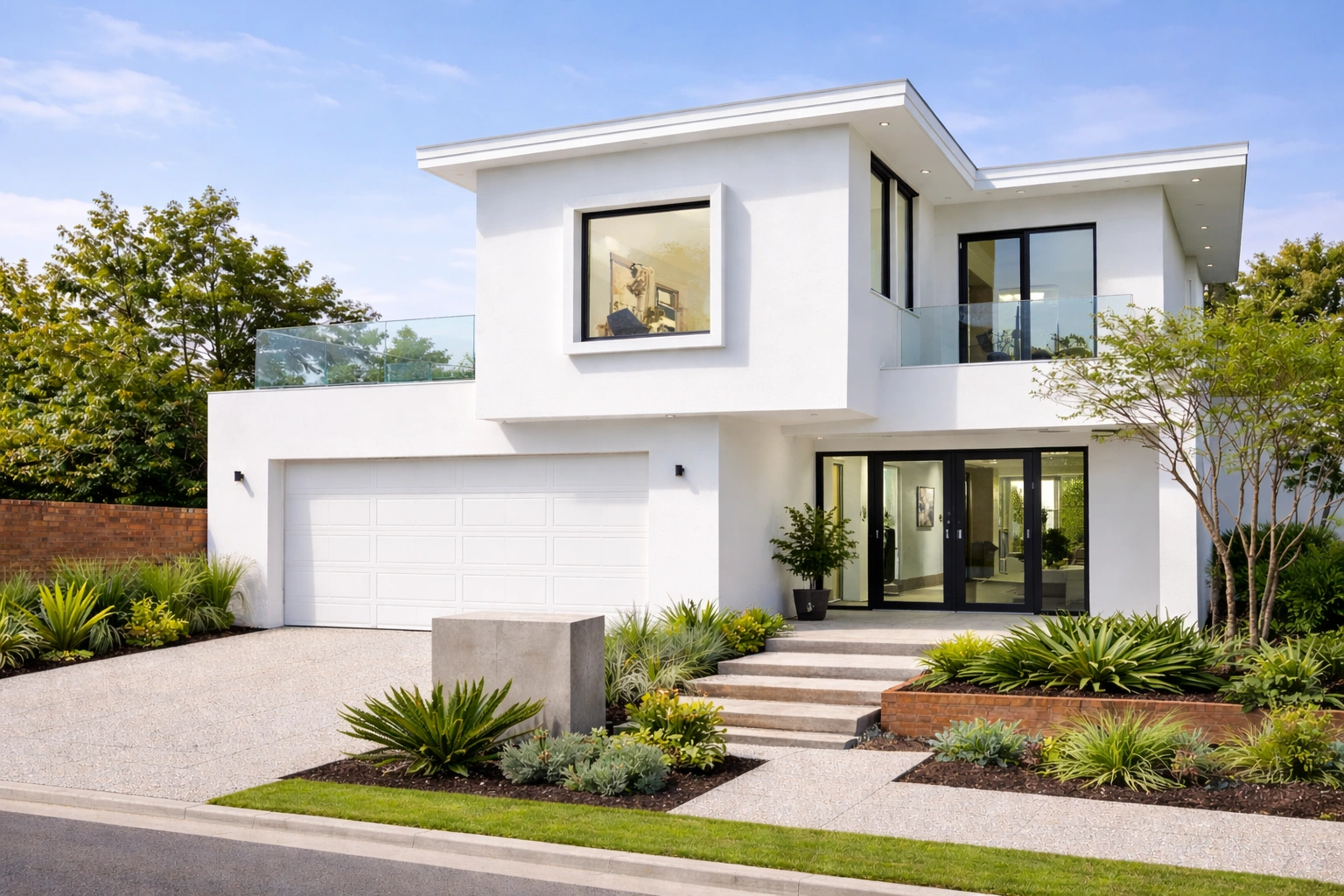
Paint is constantly tested by high humidity and salty breezes. These conditions do not just wear away the paint film; they also change how colours look and how long they stay fresh and bright. Understanding what is happening to the paint on a microscopic level helps homeowners choose products and colours that will genuinely last.
Experienced painters regularly see how the same paint colour can age very differently near the beach compared with properties further inland. The combination of moisture, salt and strong light can cause premature fading, discolouration and peeling unless the right systems are used from the start.
High humidity means moisture is sitting on and in painted surfaces for long periods. On exterior walls, this often leads to blistering and peeling, which exposes the undercoat or bare substrate and instantly changes the apparent colour of the wall.
Moisture also encourages mould and mildew growth, especially on south-facing walls and shaded areas. Dark greys, creams and off-whites can gradually develop brown or green staining that makes the original colour look dirty and dull. Even if the paint film is still sound, the colour is visually lost under the staining.
Humidity affects how new paint cures. If paint is applied when the surface is damp or the air is too humid, the coating may dry on the surface but remain soft underneath. This weak film breaks down faster, chalks more easily and releases pigment, leading to patchy fading and uneven colour across the wall.
Salt from sea spray and coastal winds settles on every exterior surface. On paintwork, this salty film attracts even more moisture from the air, so walls stay damp for longer periods than they would inland. The constant wet-to-dry cycle slowly wears away the top layer of paint, which holds the colour.
Salt can also react with some contaminants and metals, creating rust or tannin staining that bleeds through lighter colours. Creams, beiges and pastel tones often show these marks most clearly, so they can look aged well before the paint is actually due for repainting.
In addition, salt crystals are abrasive. When wind drives salt against painted surfaces, it acts almost like a very fine sandpaper. Over time, this micro-abrasion thins the protective clear resins on the surface of the paint, so pigments are exposed directly to the sun and weather and colours fade faster.
Humidity and salt air do not affect all colours equally. Dark and very intense colours absorb more heat, so in Port Macquarie’s sun, they expand and contract more. This movement can lead to hairline cracking in the paint film, allowing more moisture and salt in and accelerating colour loss.
Very light colours can be more forgiving with fading, but they quickly reveal dirt, salt streaks and mould spots. On coastal homes, this can make a fairly new paint job look tired in only a couple of seasons unless the right paint type and sheen level are chosen.
Painting services take these factors into account when recommending paint systems, so the colour a client chooses is not only attractive on day one but also remains true and fresh for as many seasons as possible in a humid, salty environment.
In salty air and year-round humidity, colour choice is about more than style. Certain shades fade faster, show mould more and exacerbate heat problems. Others stay fresher for longer and help paint films cope with coastal conditions. House painting specialists focus on colours that resist UV fade, hide dirt and mildew and keep homes cooler, especially on sun-exposed walls and coastal-facing elevations.
Soft, light colours tend to last longer in coastal climates because they reflect more sunlight. Harsh UV is one of the biggest causes of fading and chalking on homes. Dark blues, deep greys and charcoal tones absorb more heat, which can cause paint to move, crack and lose gloss more quickly.
Experts often recommend:
These colours help reduce surface temperature on external walls, supporting longer coating life. They also fade more gradually, so any colour change is less noticeable than on strong saturated hues.
Many homeowners want a coastal look without constant repainting. The key is choosing softened versions of bolder colours rather than strong primary shades.
Salt air and humidity are kinder to:
These toned-down colours still give a coastal feel but contain more grey, which naturally hides early fading and chalking. They also pair well with white or off-white trims that can be refreshed more often if needed without repainting the entire exterior.
Trims and features are where colour can add character while still holding up in humidity. Painters usually suggest crisp but not stark whites for fascias, window trims and balustrades. Very bright pure white can highlight every speck of salt and mildew, while slightly warmed whites stay cleaner-looking between washes.
For gutters, garage doors and roofs, mid-tone colours often work best. Mid greys, muted woodland greens and classic surfmist-style light tones handle UV well and do not show dirt as quickly as very dark or pure white options. On coastal-facing homes, house painters coordinate roof and gutter colours in similar light to mid-tones to minimise heat build-up and extend coating life in coastal conditions.
Some paint colours and finishes simply do not last as well as others. Coastal UV exposure, moisture and airborne salt all speed up fading, chalking and peeling, so choosing the wrong shade can have a home looking tired far sooner than expected. Understanding how different pigments and paint types behave in coastal conditions helps homeowners avoid colours that are known to fail faster and instead choose more durable alternatives suited to Port Macquarie’s climate.
Very deep greys, charcoals, navy blues and blacks are popular, but they are some of the quickest to show age in a humid coastal climate. Dark colours absorb more heat, which makes surfaces expand and contract more through the day. On timber weatherboards, rendered walls and older cladding, this movement stresses the paint film and can lead to earlier cracking and peeling.
These colours can also lose richness quickly, turning patchy or uneven as the surface weathers. Where clients still want a dark look, expert painters usually recommend slightly softened versions, such as mid- to dark greys or blue-greys, and pairing these with premium exterior paints designed for high UV. On older or sun‑exposed facades, it is often better to keep very dark colours to accent areas, like front doors or feature panels, rather than full elevations.
Very bright reds, yellows, oranges and some vivid blues and greens tend to rely on organic pigments that are less light stable. In coastal UV, they can fade unevenly, so a strong statement colour can turn washed out or blotchy within a few years. This is noticeable on north- or west-facing walls and on fences or garage doors that cop the afternoon sun.
Painters usually suggest choosing more muted or earth‑based versions of these colours, such as terracotta rather than traffic‑light red or a soft coastal aqua instead of a fluorescent turquoise. When a bold accent is important, it works best on smaller protected elements like entry doors, eaves, soffits or interior feature walls where direct sun and salt exposure are reduced.
White and off‑white are very popular. However, not all whites perform the same in humidity and salt air. Budget exterior whites often chalk quickly, which makes the surface look dull and can streak when it rains. Some can also yellow or show mildew stains faster, particularly on the southern side of a home or in shaded verandas where moisture lingers.
Whites mixed with cheap or heavily tinted bases can also highlight salt deposits and staining more than premium options. Professional painters typically suggest high-quality, low-tint or pre‑tinted exterior whites that contain mildew-resistant additives and are rated for coastal use. Softer warm whites and light greiges often hide minor staining and salt marks better than stark bright whites while still giving that clean, fresh coastal look.
Paint finish affects how long a colour looks fresh in a humid coastal climate just as much as the colour itself. The right sheen can help paint resist moisture, marks and fading, while the wrong one can highlight every imperfection and wear out quickly. Painters select finishes based on how a room is used, how much light it gets and how much moisture it is exposed to. This ensures the chosen colour stays true and looks clean for as long as possible.
In humid conditions, low-sheen and satin finishes generally hold up better on interior walls than flat or high gloss.
Flat and matte finishes absorb more moisture and can mark easily, so in damp air, they tend to stain and burnish where people brush past. Although they hide surface imperfections well, they are harder to clean, which means light colours can dull and dark colours can develop shiny patches.
Low-sheen and satin have a slight gloss that creates a tighter surface film. This helps moisture sit on the surface rather than soaking in, which improves resistance to mould spotting and makes cleaning easier. These finishes are ideal for living rooms, hallways and bedrooms where durability matters but a soft look is still preferred.
High-gloss and semi-gloss are very hard-wearing and moisture-resistant, which suits humid laundries and some trim work. However, on large wall areas, the higher shine shows every dent and patch and can exaggerate glare in strong coastal light.
For kitchens, bathrooms and laundry areas, humidity and steam are constant. Here, the finish must support the colour by stopping water and grime from getting into the paint film.
Semi-gloss or specific kitchen and bathroom low-sheen paints are often the best choice. These products form a tighter surface that resists condensation and frequent washing. This means whites stay crisp rather than yellowing, and deeper colours do not streak or spot after repeated wipe-downs.
In high-traffic spaces such as hallways, kids’ rooms and stairwells, painters usually suggest a washable low sheen. It is easier to touch up than gloss yet tough enough to cope with scuffs from bags and hands. This balance means the colour looks even for longer without obvious patching.
Outside in salty air, the wrong finish can fade or chalk quickly. Exterior low-sheen acrylic is usually the most durable choice for walls. It handles expansion and contraction better than gloss and hides minor surface movement, keeping the colour looking uniform.
For exterior doors, trims and handrails, a higher sheen such as semi-gloss is more appropriate. The harder surface sheds water and dirt more effectively and stands up to frequent handling. Gloss can be used on feature doors if the substrate is in excellent condition, because any defect will be more visible under the reflective surface.
By matching finish to location and use, painters help ensure chosen colours resist humidity, retain their depth and stay looking freshly painted for longer.
In a humid coastal climate, some colours and finishes that look great in a brochure quickly disappoint on real walls. High-moisture glare and salt exposure can make certain choices feel heavy, faded or dirty far sooner than expected. Avoiding a few common traps helps interiors stay fresh and exteriors look crisp for longer.
Painters see the same repeat issues in coastal homes. Most are easy to prevent with better planning and an understanding of how light and humidity affect colour.
Many homeowners pick a warm creamy white, thinking it will feel cosy. In humidity and strong sunlight, these paints can yellow faster, particularly in kitchens, bathrooms and south-facing rooms.
Moisture and poorer ventilation allow stains, condensation and mild mould to show through softer off-whites. Oily cooking vapours and bathroom steam also cling to warm bases more visibly. Eventually, a fresh ivory can start to look slightly nicotine-stained even in non-smoking homes.
To avoid this, experts usually recommend:
On exteriors, bright pure white can be equally problematic. Under strong coastal glare, it can look harsh and show every speck of salt and dust. A softer coastal white with a hint of grey or beige tends to look cleaner between washes.
Deep greys, navy and charcoal feature heavily in magazines but can feel oppressive in real Port Macquarie homes, particularly where summers are sticky and some rooms are smaller or shaded.
Dark cool colours absorb light and can make already humid spaces feel heavier. In low-ventilation areas, like hallways, laundries or small bedrooms, they show scuff marks and salt residue sooner and are harder to keep looking even after patching.
Very cool; greys and blues are another common mistake. In theory, they should feel fresh, but in rooms with limited natural light, they can read cold and flat, especially in winter or on overcast coastal days.
A better approach is:
Coastal NSW homes often copy city-based colour schemes without accounting for much brighter reflected light from sand, water and pale roofs. As a result, exteriors end up looking washed out or completely different from the sample card.
Very pale greys can read almost white in full sun. Strong terracottas or bright blues that seemed tasteful in store can look garish against coastal vegetation and intense sky. Dark roofs or gutters paired with dark walls may also overheat and fade more quickly in different climates.
Painters suggest:
Choosing paint that lasts in Port Macquarie’s humid coastal conditions is not about following trends. It comes down to using the right products, selecting colours that suit strong sun and salty air, and preparing surfaces properly for our climate. Moisture resistant coatings, mould protection, UV stable pigments and quality primers all help extend the life of your paintwork.
When these technical choices are matched with practical colour selection, you reduce fading, staining and early wear. With careful planning and correct application, your paintwork will not only look good when it is first completed, but continue to protect and improve your home for many years.
