

Exterior paint is one of the first parts of a home to show the effects of sun, salt air, rain and humidity. In Port Macquarie, these conditions can wear down painted surfaces faster than many property owners expect, especially on exposed walls, trims, fascia boards, window frames and coastal-facing areas. When paint begins to fade, peel, crack or blister, it can be an early sign that the protective coating is no longer shielding the building materials underneath.
Craig Taylor Painting Services explains why exterior paint failure should not be treated as a simple cosmetic issue. A properly prepared and applied exterior coating helps protect timber, render, masonry and metal surfaces from moisture damage, corrosion and premature wear. This article explores the warning signs of exterior paint failure, what can happen when repainting is delayed and why timely maintenance by experienced painters in Port Macquarie can help preserve both the appearance and condition of a property.
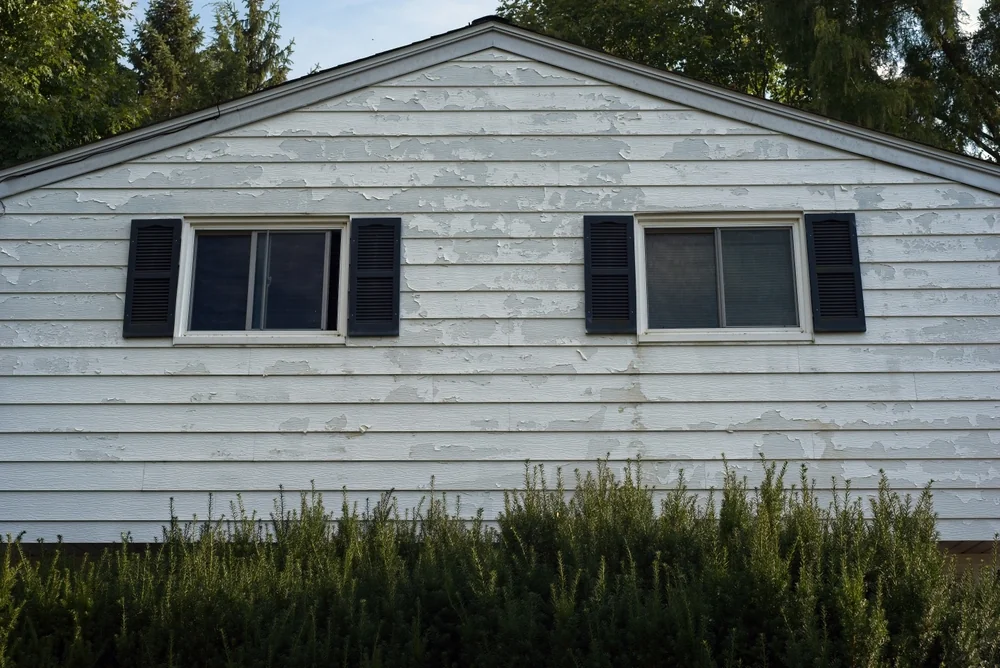
Exterior paint is not just there to improve street appeal. It forms a protective coating between the building and constant exposure to sun, rain, wind, humidity and changing temperatures. When that coating wears down, the materials beneath are left more exposed, and small areas of damage can worsen faster than many property owners expect.
Worn paint can affect weatherboards, cladding, fascia boards, trims, eaves, window frames, doors and other exterior surfaces. Understanding how paint protects these materials makes it easier to recognise why peeling, chalking or cracking should be treated as an early maintenance warning rather than a simple appearance issue.
Quality exterior paint forms a continuous film that helps shed water and slow moisture from entering timber, masonry and other porous surfaces. Once that film cracks, peels, blisters or pulls away from the surface, water can find its way into small gaps, nail holes, joints and exposed edges.
Moisture behind failed paint can cause timber to swell, warp and soften. Areas around window sills, fascia boards, door frames, trims and lower wall sections are especially vulnerable because they often receive repeated exposure to rain, condensation or water run-off. Over time, moisture can move deeper into the material and lead to rot, staining or surface breakdown.
Rendered and masonry surfaces can also suffer when their protective coating deteriorates. Small cracks may allow water to enter the surface, leading to staining, flaking, efflorescence or localised breakdown of the finish. Keeping exterior paint in good condition helps seal these small entry points before they turn into larger repair issues.
Port Macquarie homes are exposed to strong UV, warm conditions, salt air and periods of heavy rain. Over time, this combination can break down exterior coatings, especially on walls and trims that receive direct sun or coastal exposure. When paint fades heavily, becomes powdery or loses its sheen, it is often a sign that the binders in the coating are deteriorating.
Once this happens, the surface underneath has less protection. Timber can dry out, split or develop surface checking. Metal elements such as handrails, gates, doors, flashing or gutters can become more vulnerable to rust where paint has worn away. Fibre cement, render and masonry can also become harder to maintain when the coating no longer performs as intended.
A sound exterior coating also helps surfaces manage everyday movement. Building materials expand and contract with temperature changes, and good paint systems are designed to move with those surfaces. When paint becomes brittle and starts to crack, joints, caulking and exposed edges can open up, allowing more moisture and air to penetrate.
Exterior paint also helps make surfaces easier to clean and maintain. A sound coating resists dirt, airborne pollutants, mildew and organic staining better than old, porous or powdery paint. This is particularly relevant in coastal and humid areas, where moisture and shade can encourage surface growth on walls, eaves, trims and painted masonry.
Failed paint can leave timber and other surfaces more exposed to damp conditions. While paint does not prevent termite activity or replace proper pest inspections, damp or deteriorating timber can create conditions that are more attractive to pests and harder to monitor. Keeping painted surfaces sealed and maintained helps reduce moisture-related deterioration and makes early signs of damage easier to identify.
Failing paint rarely happens overnight. It usually gives off visible and physical warning signs before more serious damage occurs. Recognising these signs early is important because they often indicate that weather, moisture and UV exposure are already reaching the surface beneath.
The most common warning signs include fading, chalking, cracking, peeling, blistering and exposed timber, metal or masonry. These issues can start small, but once the protective coating has broken down, deterioration tends to spread.
One of the earliest signs of paint failure is noticeable fading, especially on areas that receive strong afternoon sun. Colour that once looked even may begin to appear washed out, patchy or dull. This usually means the paint film is losing strength and may no longer be protecting the surface as effectively.
Chalking is another common sign. If a white or powdery residue comes off when a hand is rubbed across the surface, the paint film is breaking down. Some chalking can occur naturally as paint ages, but heavy chalking suggests the coating is nearing the end of its useful life and may need thorough cleaning and preparation before repainting.
Blotchy areas, uneven sheen or patches that look dull in some spots and glossy in others can also indicate inconsistent weathering, moisture exposure or problems with previous coating layers. These signs should not be ignored, especially when they appear alongside cracking, flaking or soft timber.
Cracking is a clear sign that the coating has lost flexibility. Fine cracks may look minor at first, but they create small pathways for water to enter the surface. Once moisture gets underneath the paint, it can cause the coating to lift further.
Flaking or peeling paint means the bond between the paint and the surface has already failed. This can happen due to prolonged UV exposure, moisture trapped beneath the coating, poor preparation, old layers of paint or incompatible products used in previous repainting work. Once peeling begins, it often spreads because water can move beneath the surrounding paint and push more of the coating away.
Peeling paint should be addressed before bare timber, metal or render is left exposed for too long. The longer the surface remains unprotected, the more preparation and repair work is usually needed before a new coating system can be applied.
Bubbles or blisters under the paint film often form when moisture, heat or trapped air pushes the coating away from the surface. This may occur on window sills, trims, lower wall sections, doors, eaves or areas where water tends to sit or collect.
If blisters feel soft, break open or reveal bare timber, rusting metal or damaged render underneath, the protective barrier has already failed. Bare surfaces should not be left exposed, particularly in coastal environments where salt, humidity and rain can accelerate deterioration.
Exposed timber may begin to grey, soften or split. Exposed metal may begin to rust. Rendered or masonry surfaces may stain, flake or absorb moisture. These are all signs that the problem has moved beyond appearance and into surface protection.
Exterior paint is one of the main protective layers between a building and the weather. When it peels, cracks or fades to the point of failure, the materials beneath are exposed to moisture, UV, salt air, heat and general wear.
Delaying repainting can lead to damage that is more difficult and costly to repair. Instead of preparing a sound surface and applying a new coating, painters may need to manage rot, rust, failed caulking, surface staining or damaged materials before painting can even begin.
Once paint loses adhesion or cracks open, water can be drawn into small gaps and exposed edges. Rain, irrigation spray, humidity and condensation can all contribute to moisture sitting behind failed paint.
On timber surfaces, this can lead to:
Rot often begins in areas where paint failure looks minor, such as board ends, joins, corners or lower trims. Over time, nails can loosen, boards may cup or pull away, and sections of timber may need to be repaired or replaced before repainting can proceed.
Metal surfaces rely on intact paint to keep oxygen, moisture and salt away from the substrate. When coatings fail on metal gates, railings, posts, gutters, downpipes, doors or flashing, rust can begin. If left untreated, corrosion can spread beneath surrounding paint and stain nearby surfaces.
Rendered, concrete and masonry surfaces can also deteriorate when protective coatings fail. Moisture can enter small cracks or porous areas, leading to flaking, staining, powdery deposits or surface breakdown. In coastal areas, salt and humidity can make these issues more noticeable over time.
These problems are often harder to fix once they have developed. Rust must be treated properly, damaged render may need patching, and timber must be sound before a new coating system can perform properly.
Exterior paint failure can also contribute to problems inside the home if moisture reaches wall cavities, window frames or internal finishes. Water entering around failed caulking, cracked trims or damaged cladding may lead to staining, mould, swollen materials or damaged insulation.
Even where interior damage does not occur, the cost of repainting can increase when maintenance is delayed. A surface that could have been cleaned, sanded and repainted may later require scraping, filling, timber repairs, rust treatment, re-caulking and multiple primer coats.
Timely repainting is usually simpler than repairing neglected surfaces. It helps protect the building fabric and reduces the chance of minor paint wear turning into a larger maintenance project.
Putting off exterior repainting rarely saves money in the long run. As paint continues to deteriorate, the underlying surfaces are exposed to more weather and UV damage. By the time repainting finally happens, the preparation process may be far more involved.
Instead of a straightforward wash, sand and repaint, neglected exteriors can require extensive scraping, sanding, filling, sealing, priming and material repairs. This increases labour, extends project time and can affect how well the new coating performs.
Once paint begins to crack, peel or chalk heavily, it no longer provides a reliable barrier. Moisture can move behind the coating and damage the surface underneath. Timber may soften, small cracks may open further, and porous surfaces may become harder to seal.
As damage progresses, preparation becomes more labour-intensive. Light sanding can become heavy sanding. Small gaps can become widespread patching. Bare timber may need stabilising and priming before it will hold paint correctly.
Paint applied over unsound surfaces will not last properly. Good exterior repainting depends on thorough preparation, and the more deteriorated the surface is, the more work is required before painting can begin.
Long-term moisture exposure can lead to rot around window sills, fascia boards, eaves, trims and lower wall sections. Metal components may need rust treatment before painting. Old caulking around windows, doors, joints and penetrations may need to be removed and replaced so the new paint system can seal properly.
These repairs add time and cost because each issue must be corrected before the final coating is applied. Rotten timber needs to be removed or repaired. Rust must be cleaned back and treated with suitable primers. Failed sealants need to be replaced so water does not continue entering behind the new paint.
This is why exterior repainting is most effective when carried out before the coating has completely failed. A sound surface is easier to prepare and provides a better foundation for a longer-lasting finish.
A home that could have been repainted with standard preparation can become a larger restoration job if maintenance is left too long. Painters may need to wash away ingrained dirt and mildew, scrape loose paint, sand back rough edges, patch damaged areas, apply specialised primers and allow extra drying time between stages.
Weather can also affect timelines. Open or repaired surfaces are more vulnerable to rain, humidity and temperature changes, so conditions need to be managed carefully. In coastal areas like Port Macquarie, preparation and coating selection are especially important because exterior surfaces must cope with moisture, UV and salt exposure.
The more preparation required, the longer the project may take. Early repainting helps keep the process more manageable and reduces the likelihood of unexpected repairs.
Small touch-ups can be useful when damage is minor, localised and the surrounding paint is still in good condition. They can freshen small marks, cover minor chips and slow early deterioration. However, there comes a point where patching no longer solves the problem.
If paint has aged beyond its service life, if failure is widespread or if moisture has affected the underlying surface, brushing new paint over isolated areas will not provide lasting protection. The result may look patchy, fail quickly or allow hidden damage to continue.
Sometimes the problem sits beneath the paint rather than on the surface. Blistering, bubbling, recurring peeling, soft timber, rust marks or cracked caulking can all indicate that a deeper issue is present.
Painting over these areas without addressing the cause can trap moisture, hide deterioration and lead to the same problem returning. For example, bubbles caused by moisture will often reappear if the source of moisture is not corrected. Paint applied over weathered timber or untreated rust is unlikely to bond properly or last.
Where joints, corners, trims or window surrounds have failed, repainting may need to include re-caulking, priming and coating larger connected sections rather than small spot repairs. This allows the paint and sealant to work together as a protective system.
A full exterior repaint is often more effective when paint failure appears across multiple elevations or large sections of the home. If several walls show fading, chalking, peeling or cracking, repeated touch-ups may become less practical and less cost-effective.
A full repaint may also be needed when the existing coating is old, uneven or heavily weathered. Even if only some areas are peeling, the surrounding paint may be close to failing as well. Repainting the full exterior can provide a more even finish, stronger protection and a more consistent result.
The decision should be based on the condition of the surface, the age of the coating, the level of exposure and the amount of preparation required. A professional assessment can identify whether localised repairs are enough or whether the exterior needs a complete repaint to restore proper protection.
Worn exterior paint should not be treated as a minor cosmetic issue. Fading, chalking, peeling, blistering and cracking are often early signs that important protective coatings are starting to fail. Once timber, render, masonry or metal surfaces are exposed, moisture damage, rot, corrosion and surface breakdown can become more likely.
Timely repainting and proper surface preparation help preserve building materials, reduce maintenance demands and maintain the overall presentation of a property. For homes and buildings exposed to Port Macquarie’s coastal weather, a well-maintained exterior coating system plays an important role in protecting the property from sun, humidity, rain and salt air while keeping it looking cared for.
