

At Craig Taylor Painting, we know how much pride coastal homeowners take in keeping their properties looking fresh and well cared for. The challenge is that coastal weather can be particularly tough on exterior paint. Salt in the air, intense Australian sun and constant moisture all combine to break down paint faster than many people expect. Over the years, especially working with homeowners who rely on painters in Port Macquarie, we have learned which products perform best and what preparation makes the biggest difference. This guide breaks down what really affects your exterior paint and how to choose the best systems for long-lasting protection.
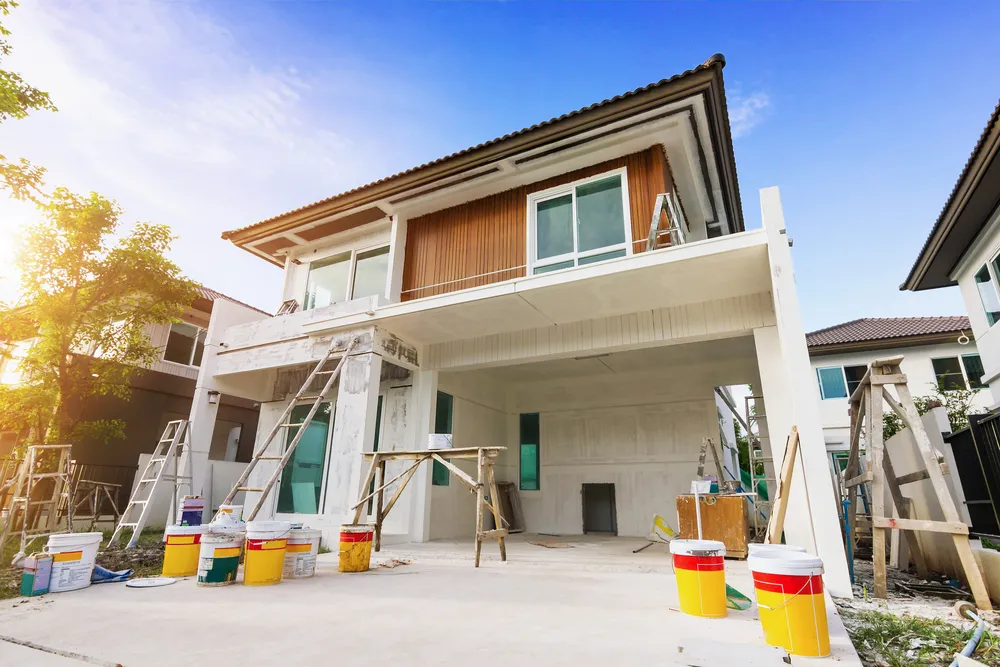
Every coastal home deals with a blend of salt, sun and moisture. These elements may seem harmless day to day, but over time they can cause significant paint deterioration if the wrong products or techniques are used.
Salt is one of the main reasons coastal homes need repainting more frequently. It settles on surfaces daily, even when the weather seems calm.
Salt causes problems because it holds moisture against the paint, slowly softening it and making it easier for blisters and peeling to form. It also works its way into small imperfections and expands as it absorbs water, which lifts paint away from the surface. On metal, salt encourages corrosion that spreads underneath the paint and creates bubbling or rust stains. Timber can also dry unevenly when salt draws moisture out, which leads to cracks or warping.
You will see the worst salt effects on ocean-facing walls, metal roofs, handrails and any timber that is exposed to strong sea breezes. Homes that are not washed regularly often show early chalkiness or corrosion around screws and fixings.
Australian coastal regions receive some of the strongest UV levels in the world. Add in heat and the reflective glare from the ocean, and paint can age quickly.
UV weakens the binders that hold paint together, which leads to loss of adhesion and surface cracking. Pigments fade, especially darker and brighter colours, and chalkiness appears as the top layer breaks down. Heat also causes surfaces to expand and contract throughout the day, putting stress on the paint film and creating tiny fractures that let in water.
You will notice this most on northern-facing walls, rooflines and exposed timber. These areas tend to show fading or dryness long before more shaded parts of the home.
Coastal air carries more moisture, and homes are exposed to humidity, sea spray and regular rainfall. This means exterior surfaces often stay damp for longer periods.
Moisture leads to problems such as mould and mildew on shaded walls, swollen timber, efflorescence on render and bubbling when water becomes trapped under paint. Metal surfaces can also develop rust if damp conditions persist. Timber weatherboards, pergolas, fibre cement cladding and rendered surfaces are typically the most affected materials.
Homes surrounded by vegetation or with poor ventilation may notice these issues sooner because surfaces take longer to dry out.
The good news is that coastal homes can stay protected for many years with the right paint system. The key is choosing high-performing products, preparing the surface properly and maintaining it regularly.
Not all exterior paints are suitable for coastal weather. Using products designed for UV resistance, flexibility and moisture protection makes a huge difference in how long your paintwork lasts.
Here are the paint types we find most reliable in coastal areas:
Acrylic exterior paints
Acrylics remain the go-to choice for most coastal homes. They offer excellent UV resistance, flexibility to prevent cracking and strong adhesion to timber, render and fibre cement. They dry quickly, which reduces the chance of moisture affecting the finish.
Elastomeric paint
Elastomeric coatings form a thick, flexible membrane that can stretch over small cracks and seal porous surfaces. They are ideal for older render or masonry that needs extra waterproofing and are especially effective in areas exposed to heavy wind and rain.
Marine-grade coatings
If your home is very close to the shoreline or has exposed metalwork, marine-grade coatings provide next-level salt and moisture protection. These products are designed for environments with constant salt exposure and are excellent for steel structures, handrails and exposed timber beams.
Solvent-based enamels
While slower to dry, solvent-based enamels create a tough finish that resists knocks and wear. They are best for trims, doors, windows and areas that receive heavy use.
Even the best paint will fail if the surface underneath is not prepared correctly. Preparation is where most coastal paint jobs succeed or fail.
Before painting, surfaces should be washed thoroughly to remove salt, dirt and mould. Sanding helps create a smooth surface and improves adhesion. Any cracks or gaps should be repaired, as they can let in water and cause premature failure.
Choosing the right primer is also essential. Timber benefits from stain-blocking primers, metal requires anti-corrosion primers and masonry surfaces need sealers that reduce absorption. Skipping primer or using the wrong one often leads to peeling within a short time.
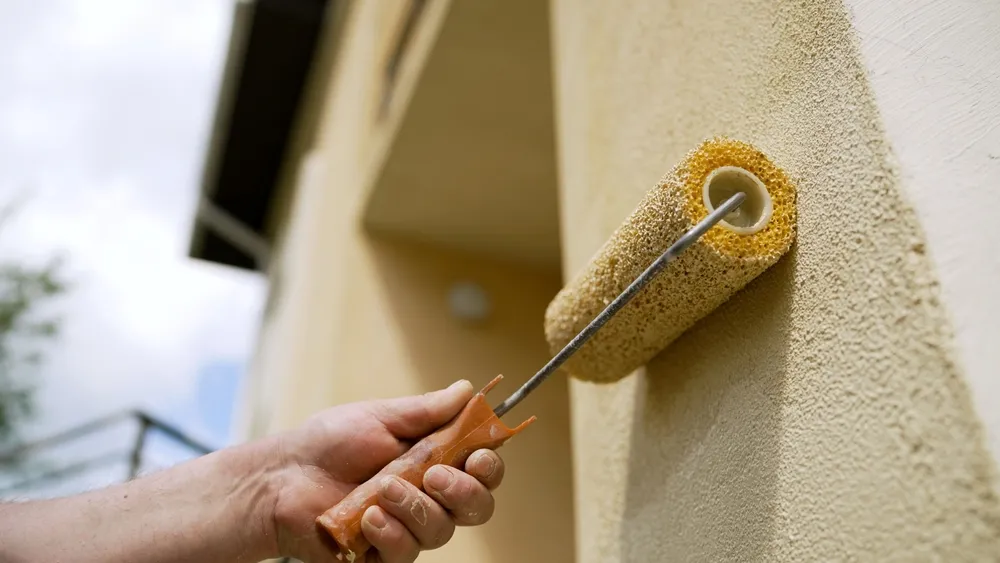
Once the base work is done, finishes and topcoats help protect your home from daily coastal exposure.
These options strengthen your paint system and make regular cleaning easier, which is crucial in coastal areas.
Even with high-quality products, coastal homes need consistent maintenance to stay in top condition.
A good routine includes washing exterior walls every four to six months to remove salt buildup, resealing or repainting timber every few years depending on exposure and checking metal areas for early rust. Keeping surrounding plants trimmed helps improve ventilation and reduce mould growth. Small cracks or peeling spots should be repaired as soon as they appear to avoid bigger problems.
Seasonal checks are also helpful. After summer, look for UV damage or fading. After winter, check for moisture issues such as mould, softness in timber or bubbling paint.
Coastal homes face challenges from salt, sun and moisture, but with the right products and proper care, they can stay beautifully protected for many years. Choosing high-quality paints, using the correct primers and maintaining your exterior regularly ensures your home remains strong and attractive even in tough coastal conditions. If you would like tailored advice or a durable coastal painting solution for your home, the team at Craig Taylor Painting is always ready to help.
