

Painting a coastal home is one of the most effective ways to protect it from salt air, humidity and premature surface damage. If you own a beachside or near-coastal property and want to preserve its appearance and value, this guide is for you, especially if you’re considering working with experienced painters in Port Macquarie who understand how tough the local climate can be on exterior and interior finishes.
At Craig Taylor Painting Services, we see firsthand how quickly coastal conditions can break down paint systems when the wrong products or preparation methods are used. In this article, you’ll learn how salt affects exterior paint, how humidity leads to mould and indoor paint issues and the best preparation and maintenance practices that help coastal paintwork last longer in Australian conditions.
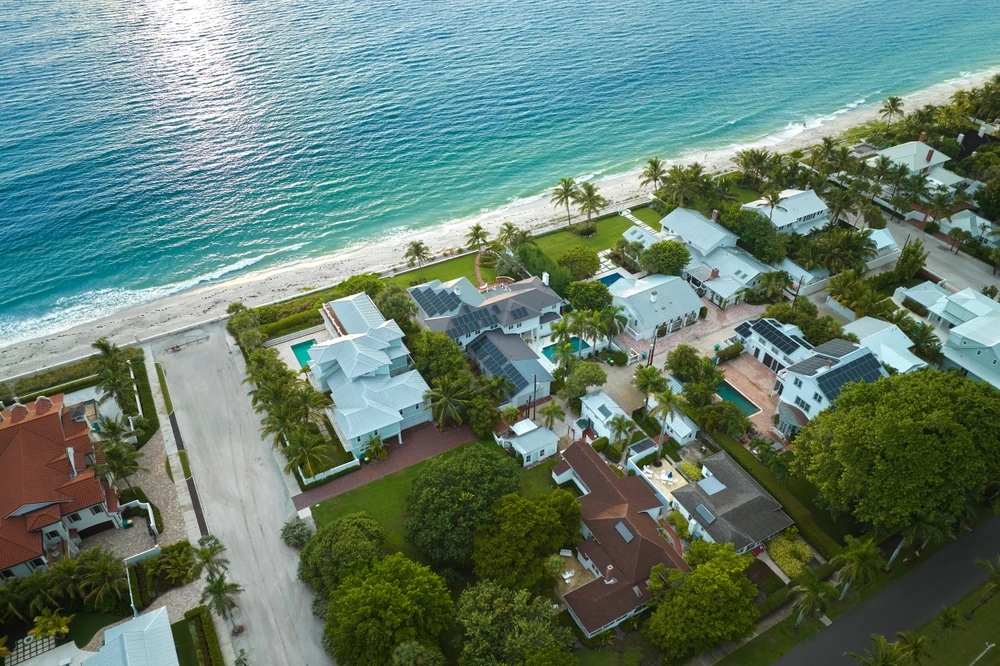
Coastal homes in Australia are constantly exposed to a unique mix of harsh conditions that inland homes simply don’t face. Even if your property isn’t right on the sand, wind can carry salt particles well beyond the beachfront and deposit them on walls, windows, eaves and metal fixtures. Add high humidity and strong UV exposure, and paint breakdown can happen faster than many homeowners expect.
Understanding these climate challenges is the first step in protecting your home properly. Once you know what salt and humidity actually do to surfaces, you’ll be able to plan your repainting strategy more wisely and prevent common issues like peeling, bubbling, mould staining and corrosion.
Salt air is one of the biggest causes of premature paint failure in seaside homes. It doesn’t just sit on the surface. It attracts moisture, increases surface dampness and weakens the bond between the paint and the material underneath.
Here’s what salt air can do over time:
Early warning signs of salt damage
The key takeaway is simple: coastal paint systems need stronger prep and better protection because salt exposure is constant, not occasional.
Humidity affects more than just bathrooms. In coastal areas, moisture levels remain high for long periods, and indoor airflow is often restricted, especially when rooms are closed up to keep the heat or air conditioning in.
When moisture can’t escape, mould becomes likely. This isn’t only a health concern. It can also permanently stain surfaces and break down interior paint finishes, particularly on ceilings and the upper corners of walls.
Common humidity-related interior issues include:
Important note: Painting over mould rarely works long-term. If mould isn’t treated and moisture isn’t controlled, it will return and often bleed through the new coat.
The success of any coastal paint job depends far more on preparation than people realise. Coastal surfaces are often contaminated with salt, grime and mould spores, even if they look clean to the eye. If these are not properly removed, paint adhesion suffers and failure can happen quickly.
This section breaks down what needs to happen before painting begins, and what homeowners can do after painting to prolong results. Done right, a coastal paint system doesn’t just make your home look fresh. It protects your biggest asset and reduces how often you need full repaints.
Prep is where coastal painting is either done properly or done twice. Before any paint goes on, surfaces must be cleaned, stabilised, repaired and primed for the environment.
Here are the core steps that create long-lasting results:
Remove salt build-up (wash first, always)
Salt cannot be painted over. It must be removed thoroughly.
This usually includes:
If salt remains on the surface, it can stop paint from bonding correctly.
Treat mould and mildew properly
Mould should be killed at the source, not covered.
Good practice includes:
This applies to both exteriors (shaded walls, eaves, soffits) and interiors (bathrooms, laundries, ceilings).
Remove failing or loose paint
Old paint that is flaking, cracking, or lifting must be removed.
Methods may include:
Painting over weak coatings is one of the most common causes of peeling in coastal homes.
Repair and seal the substrate
Cracks and gaps allow moisture and salt to enter and spread damage beneath paint.
This includes:
Prime for the surface and coastal exposure
Primers create the foundation of the paint system.
Depending on the surface, that might include:
Skipping primer, or using the wrong one, often shortens the paint’s lifespan significantly near the coast.
Even a high-quality paint job needs maintenance in coastal climates. It’s not because the paint is weak. It’s because salt and humidity are relentless.
The best approach is simple seasonal upkeep. These small actions can extend paint life by years and prevent small issues turning into expensive repairs.
Here are practical maintenance habits you can follow:
Every 3 to 4 months
Before summer
Australian summers bring higher UV exposure and heat, which can dry and weaken paint.
Do this:
After storms or heavy rain
Coastal storms can force water into gaps and weak points.
Check:
During winter
Humidity often stays high even when temperatures drop.
To reduce mould risk:
Quick fix mindset
If you notice a small crack, chip, or rust mark, treat it early. In coastal homes, small surface issues spread faster than they do inland.
Coastal homes are a beautiful investment, but salt air and humidity can quickly damage paintwork if surfaces are not properly protected. With the right preparation, correct coastal-grade products and simple seasonal maintenance, you can keep your home looking great while preventing peeling, mould and corrosion. If you want professional guidance on coastal paint systems that are suited to Australian conditions, Craig Taylor Painting Services is here to help.
